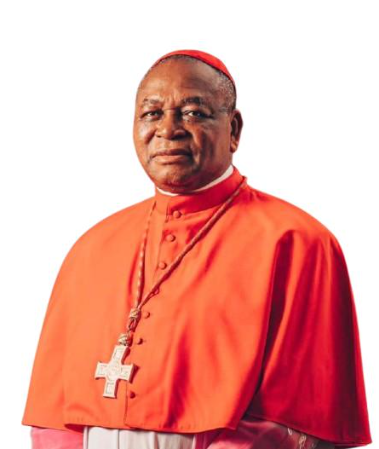

A disagreement has emerged between the Presidency and Cardinal John Onaiyekan following the cleric’s public account of a meeting between President Bola Tinubu and leaders of the Catholic Bishops’ Conference of Nigeria.
President Tinubu received a 20-member delegation of the bishops at the State House in Abuja on July 28, 2026. During the meeting, the religious leaders raised concerns about insecurity, economic hardship, poverty, education, credible elections, and the country’s democratic direction.
Cardinal Onaiyekan, the Archbishop Emeritus of the Catholic Archdiocese of Abuja, later told ARISE News that the bishops informed Tinubu that many Nigerians were suffering and that the country was “bleeding.”
According to him, the President disagreed with their assessment and maintained that the economy was recovering and the country was making progress.
Onaiyekan said the position presented at the meeting was not his personal opinion but the collective view of the Catholic Bishops’ Conference, prepared after consultations among its members.
He added that the bishops had no political ambition but considered it their moral responsibility to speak about the hardship, insecurity, and political concerns affecting Nigerians.
The cardinal also alleged that some people around the President were presenting him with an overly positive picture of the country’s condition. He, however, acknowledged that Tinubu listened to the bishops and responded directly to the issues they raised.
Responding to the interview, presidential media aide Temitope Ajayi accused Onaiyekan of improperly disclosing details of what he described as a private meeting.
Ajayi described the cardinal’s action as an “abuse of clerical privilege,” arguing that the bishops’ assessment represented only one perspective on the state of the nation and could be challenged with facts.
He said Tinubu did not deny that Nigeria was facing economic and security challenges but informed the delegation that his administration had achieved progress in fiscal stability, salary and pension payments, education financing, and security operations.
According to Ajayi, disagreement with the bishops should not be interpreted as arrogance or as evidence that the President was disconnected from Nigerians’ experiences.
Another presidential aide, Daniel Bwala, accused Onaiyekan of allowing political considerations to influence his comments.
Bwala alleged that the Catholic leadership had previously supported Peter Obi and argued that the cardinal’s intervention should be viewed within that political context. He maintained that Tinubu had the right to reject the bishops’ assessment of the economy and insecurity.
The Presidency’s response has generated divided reactions among Nigerians and political commentators.
Supporters of Onaiyekan said religious leaders have a responsibility to draw the government’s attention to economic hardship, insecurity, and the difficulties confronting ordinary citizens.
Others defended the Presidency, arguing that the bishops’ position was not beyond criticism and that Tinubu was entitled to present his administration’s record and disagree with their conclusions.
Ladipo Johnson, a senatorial candidate of the Nigeria Democratic Congress, criticised the President’s reported response, accusing the administration of showing insufficient empathy towards Nigerians struggling with rising living costs and declining purchasing power.
Bishop Matthew Kukah, who was part of the delegation, declined to make additional comments when contacted about the controversy.
Leave a Reply