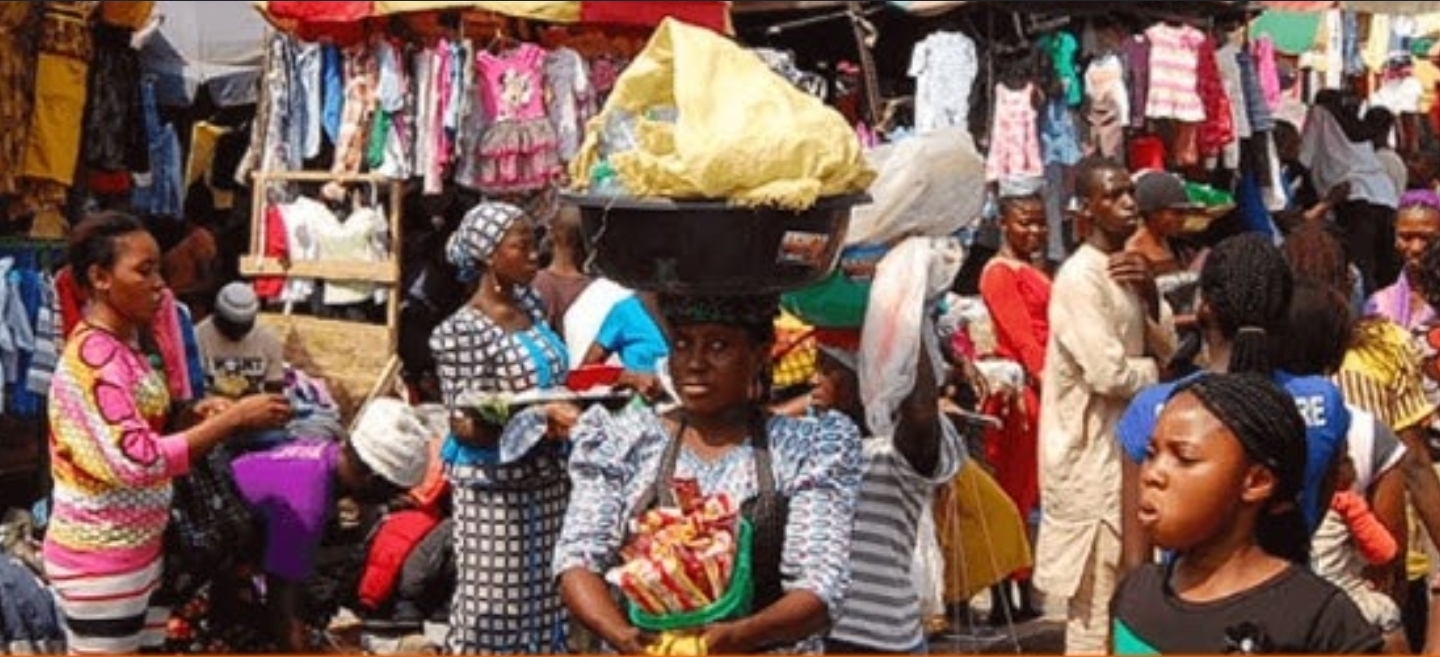

ABUJA, Nigeria — Nigeria’s cost-of-living crisis is emerging as an increasingly important political issue ahead of the 2027 general election, as millions of households continue to struggle with high food prices, expensive fuel, electricity bills, housing costs and declining purchasing power.
A Reuters report published on Monday, August 10, 2026, highlighted the widening gap between improvements in some of Nigeria’s economic and financial indicators and the daily hardship confronting ordinary citizens.
The report pointed to the experience of workers whose earnings have failed to keep pace with the rising cost of basic necessities. One Abuja-based health-sector worker earning ₦135,000 monthly — almost twice the national minimum wage — told Reuters that her salary could barely cover her expenses for more than a week.
The pressure follows major economic reforms introduced by President Bola Tinubu’s administration since 2023, including the removal of the petrol subsidy, liberalisation of the foreign exchange market and reductions in electricity subsidies.
The Federal Government has repeatedly defended the reforms as necessary to correct longstanding economic distortions, strengthen government finances and restore investor confidence. However, the policies have also contributed to sharp increases in transportation, energy and other household expenses.
Food Prices Stretch Household Budgets
Food remains one of the biggest sources of pressure for Nigerian families.
According to data cited by Reuters from Lagos-based SBM Intelligence, the cost of preparing a pot of jollof rice — used as an indicator of changing food prices — has more than doubled compared with the period when Tinubu assumed office in 2023.
Although Nigeria’s headline inflation has moderated from previous peaks, the decline in the inflation rate does not mean that prices have returned to earlier levels.
The latest available inflation figures showed headline inflation at around 16 per cent, while households continue to feel the accumulated impact of several years of price increases. The World Bank acknowledged in its April 2026 Nigeria Development Update that inflation had eased and macroeconomic conditions were improving, but stressed that household incomes had not fully recovered and poverty remained high.
For many Nigerians, this means families are cutting back on food quantities, changing diets and eliminating expenses once considered routine.
Petrol Near ₦1,600 Per Litre
Fuel costs have also remained a major source of hardship.
Reuters reported that petrol prices were averaging roughly ₦1,600 per litre nationally, several times higher than the levels Nigerians paid before the removal of the subsidy.
National Bureau of Statistics data previously showed that the average retail petrol price reached ₦1,596.25 per litre in May 2026, representing a 55.31 per cent increase from ₦1,027.76 recorded in May 2025.
The impact extends beyond motorists. Higher fuel costs raise transportation and logistics expenses, which are frequently passed on to consumers through higher prices for food and other goods.
Electricity costs have added another layer of pressure following changes to power-sector subsidies, while many households and businesses still depend on petrol and diesel generators because of unreliable grid supply. Reuters identified electricity alongside housing, food and transportation as major expenses squeezing disposable incomes.
Poverty Remains a Major Concern
The situation has renewed concerns about poverty and inequality.
Reuters, citing World Bank estimates, reported that just over half of Nigeria’s population was living in poverty last year, compared with roughly 42 per cent in 2022.
In a separate July report, Reuters cited the International Monetary Fund as saying that about 63 per cent of Nigeria’s population remained in poverty, with millions facing food insecurity despite improvements in investor confidence and macroeconomic stability.
The figures underline one of the biggest challenges facing the Tinubu administration: translating improvements in government revenue, foreign exchange liquidity and investment flows into tangible improvements in household living standards.
Investors See a Different Picture
While households remain under financial pressure, some economic indicators have shown considerable improvement.
Nigeria’s stock market had risen by close to 60 per cent this year, according to Reuters, while foreign capital inflows reached a six-year high of about $23 billion last year, reflecting renewed investor interest in the economy.
However, fewer than five per cent of Nigerian adults participate in the capital market, meaning that gains from rising asset prices do not directly benefit most households. Reuters also noted that a significant share of foreign investment has flowed into short-term financial instruments rather than areas immediately capable of improving household incomes and employment.
Borrowing costs also remain high. The Central Bank of Nigeria’s benchmark interest rate stood at 26.5 per cent, making affordable credit difficult for many businesses and individuals even as policymakers continue efforts to control inflation.
Public Dissatisfaction Growing
The economic pressure is increasingly becoming a political concern.
A June voter sentiment survey by SBM Intelligence cited by Reuters found that about 80 per cent of respondents believed Nigeria was moving in the wrong direction. Security remained another major concern alongside economic hardship.
The growing dissatisfaction means the administration faces the challenge of persuading Nigerians that the sacrifices demanded by its reform programme will eventually translate into improved living standards.
Finance Minister Taiwo Oyedele has acknowledged that macroeconomic stability alone will not be sufficient. The government recently announced plans to develop a “shared prosperity” scorecard that would track indicators such as poverty reduction, real income per capita and inequality to determine whether economic gains are reaching ordinary Nigerians.
The World Bank has similarly said Nigeria has made progress in restoring macroeconomic stability but warned that household incomes remain under pressure and that targeted support for vulnerable citizens will be critical.
As Nigeria moves closer to the 2027 elections, the question for the government is no longer only whether its economic reforms are improving financial indicators, but whether Nigerians can feel those improvements in their kitchens, transport costs, electricity bills and monthly incomes.
For millions of households still struggling to meet basic expenses, the cost-of-living crisis is likely to remain one of the defining economic and political issues ahead of the election.
Leave a Reply