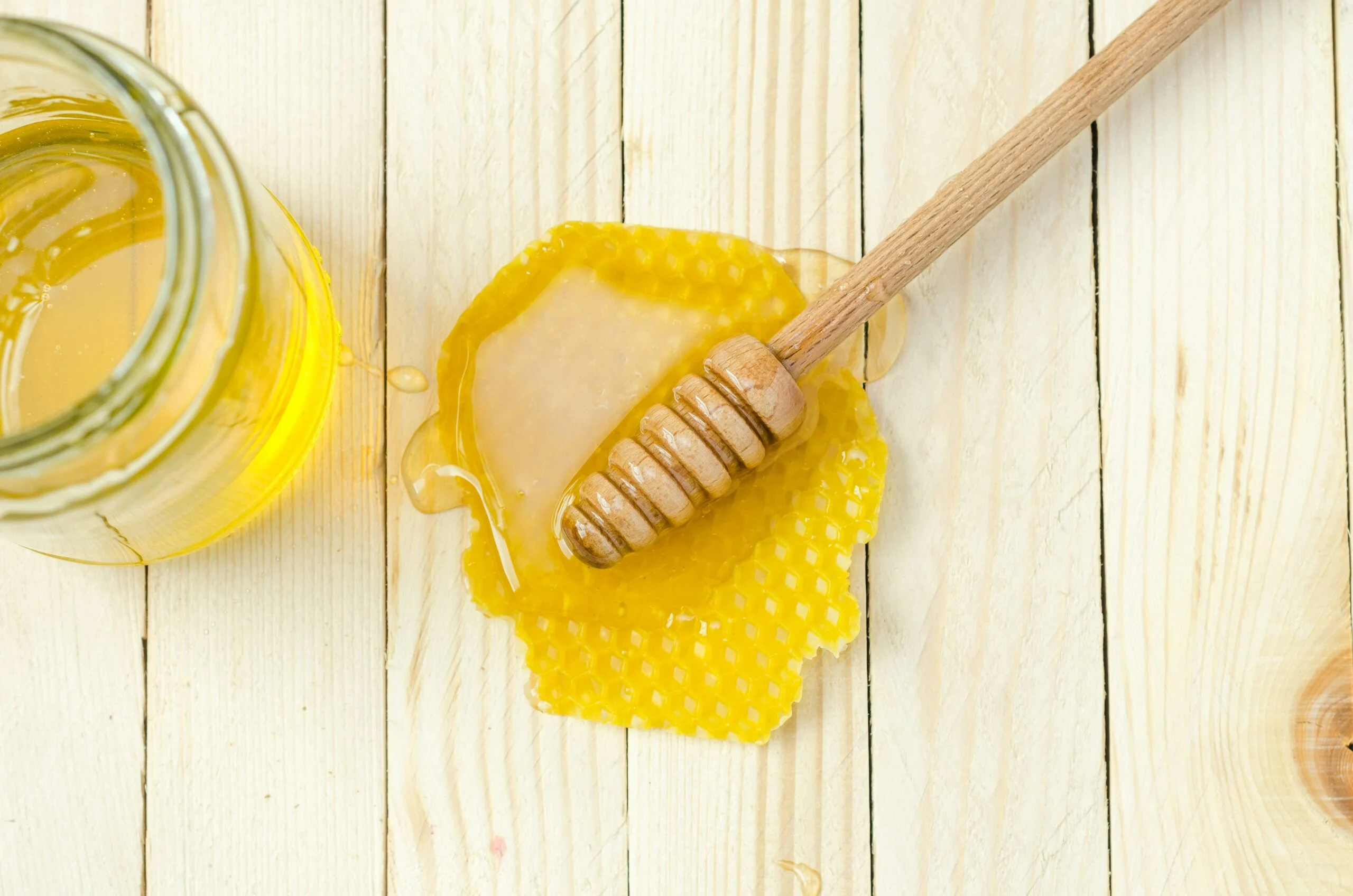

Garlic and honey are common kitchen ingredients used in cooking, drinks and traditional home remedies. For generations, some people have combined crushed garlic with honey to soothe sore throats, manage coughs and support general health.
Although both foods contain potentially beneficial compounds, health experts caution that the mixture should not be regarded as a cure for colds, influenza, heart disease or other medical conditions.
Garlic contains several biologically active substances, including allicin, a compound formed when fresh garlic is chopped or crushed. Laboratory studies have found that allicin possesses antimicrobial properties, but evidence showing that garlic can prevent or treat infections in humans remains limited.
Honey, meanwhile, contains antioxidants and has long been used to soothe irritated throats. Its thick consistency may coat the throat and reduce the discomfort associated with coughing.
Honey may help relieve coughs
One of the better-supported uses of the mixture is the temporary relief of cough symptoms.
The Mayo Clinic says studies involving people with upper respiratory infections suggest that honey may reduce coughing and improve sleep. It may be used by adults and children older than one year, although more high-quality research is still needed.
A report originally published by Blavity Health and medically reviewed by Dr. Justus Rabach examined how honey’s soothing properties may complement the compounds found in garlic. The report noted that honey can also make the sharp taste of raw garlic easier to tolerate.
However, garlic has not been conclusively shown to kill cold or flu viruses inside the human body. The United States National Center for Complementary and Integrative Health says very little research has examined whether garlic supplements improve immunity or prevent colds and flu. The few available studies are small and have significant limitations.
People experiencing persistent coughs, breathing difficulties, chest pain, high fever or worsening symptoms should seek medical attention rather than rely solely on home remedies.
Possible benefits for heart health
Garlic has also been studied for its possible effects on cardiovascular health.
Research suggests that garlic supplements may produce small reductions in total cholesterol and low-density lipoprotein, commonly known as “bad” cholesterol, among people with elevated cholesterol levels. Limited evidence also indicates that garlic supplements may slightly reduce blood pressure in people living with hypertension.
These findings do not mean that garlic and honey can prevent or treat heart disease. People with high blood pressure, high cholesterol or other cardiovascular conditions should continue taking prescribed medication and follow advice from qualified healthcare professionals.
Honey also contains antioxidants, but it remains a form of added sugar and should be consumed moderately, particularly by people with diabetes or those managing their calorie intake.
Safety precautions
Despite being natural foods, garlic and honey can cause adverse effects or interact with medications.
Honey must never be given to a child younger than 12 months. The World Health Organisation warns that honey may contain Clostridium botulinum spores, which can cause infant botulism, a rare but potentially life-threatening illness.
Adults and older children can generally consume honey safely unless they have an allergy or a medical reason to avoid it.
Eating large quantities of raw garlic may cause stomach pain, nausea, heartburn, gas or irritation. Garlic supplements may also increase the risk of bleeding, particularly among people taking anticoagulants, aspirin or other medicines that affect blood clotting. Those preparing for surgery should inform their healthcare providers about any garlic supplements they use.
Pregnant or breastfeeding women should also consult a healthcare professional before consuming garlic in amounts greater than those normally used in food.
How to use the mixture
People who choose to consume garlic and honey may crush or finely chop a small amount of fresh garlic and mix it with honey. Crushing garlic activates enzymes involved in the formation of allicin.
The mixture should be taken in moderate quantities rather than consumed as a substitute for prescribed medicine. Clean utensils and properly stored ingredients should also be used to reduce contamination.
Those who dislike raw garlic may simply take honey in warm water or tea to soothe a cough. Lemon may be added for flavour, although it should not be presented as a treatment for an underlying infection.
Garlic supplements are another option, but their chemical composition and potency can differ from fresh garlic. Supplements should be discussed with a healthcare professional, especially when a person is taking medication.
What illnesses can garlic treat?
Garlic has demonstrated antibacterial, antiviral and antifungal activity in laboratory studies. However, laboratory activity does not necessarily mean that eating garlic will successfully treat an infection in humans.
Garlic should therefore not be described as a treatment for influenza, stomach infections, ulcers, cancer or other serious diseases. The available evidence supports viewing it as a nutritious food with possible health benefits—not as a replacement for antibiotics, antiviral drugs or professional medical care.
Bottom line
Garlic and honey may be useful as a soothing home remedy, particularly for temporary relief from coughing and throat irritation. Garlic also contains compounds being studied for possible effects on cholesterol and blood pressure.
However, evidence supporting the combined mixture as an immune booster or disease treatment remains limited. Honey should never be given to babies under one year, while people taking blood-thinning medication should consult a healthcare professional before consuming large amounts of garlic.
The mixture may complement a healthy diet, but it should not replace medical diagnosis, prescribed medication or appropriate treatment.