
Tensions across the Middle East have intensified after Iran’s Islamic Revolutionary Guard Corps claimed responsibility for operations against two oil tankers in the Strait of Hormuz, while Iranian drones targeted United States military facilities in Kuwait.
Reuters reported on Friday, July 31, that Iranian forces stopped two vessels attempting to navigate the strategic waterway, while four other tankers reportedly turned back. The Iranian claims had not been independently verified at the time of reporting.
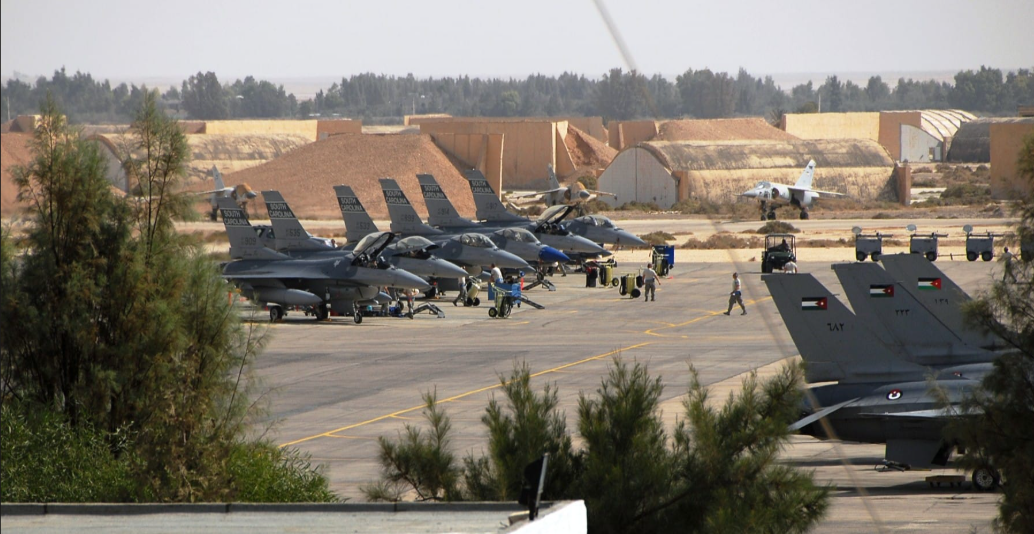
Kuwaiti authorities also said their air defence systems intercepted Iranian drones targeting military installations in the country. The attacks were reportedly launched in retaliation for recent US and Saudi airstrikes against Iran-backed armed groups operating in Iraq.
The joint strikes in Iraq reportedly killed several militia members, including personnel linked to Iran’s Revolutionary Guard. Iraqi authorities said they had no prior knowledge of the operation, raising concerns that the widening conflict could further destabilise the country.
The latest developments represent another dangerous expansion of the five-month conflict between the United States and Iran. Hostilities began on February 28, 2026, when American and Israeli forces launched attacks against Iran.
Since then, Iran has largely prevented normal commercial shipping through the Strait of Hormuz, although a limited number of vessels have reportedly managed to cross the waterway under heightened security arrangements.
The strait is one of the world’s most important energy routes. Figures from the US Energy Information Administration show that about 20.9 million barrels of oil passed through it daily during the first half of 2025, equivalent to approximately 20 per cent of global petroleum liquids consumption.
Any prolonged disruption could therefore affect international oil supplies, fuel prices and shipping costs, particularly for countries that depend heavily on energy exports from the Persian Gulf.
Amid the escalating military confrontation, US President Donald Trump announced what he described as a “historic agreement” for the disarmament of Hamas and other armed groups in Gaza.
Under the proposed arrangement, Hamas would surrender its weapons, while Israeli forces would gradually withdraw from the territory. However, implementation remains uncertain, as Hamas has linked its disarmament to an Israeli withdrawal and the transfer of authority to a new Palestinian administration.
Meanwhile, the US Senate narrowly rejected another attempt to restrict Trump’s authority to continue military operations against Iran without further congressional approval. The vote reflected growing divisions in Washington over the duration, cost and constitutional basis of the conflict.
With attacks now affecting shipping routes, military installations and armed groups across several countries, concerns are mounting that the conflict could develop into a wider regional war with serious consequences for global energy security and international trade.
Leave a Reply