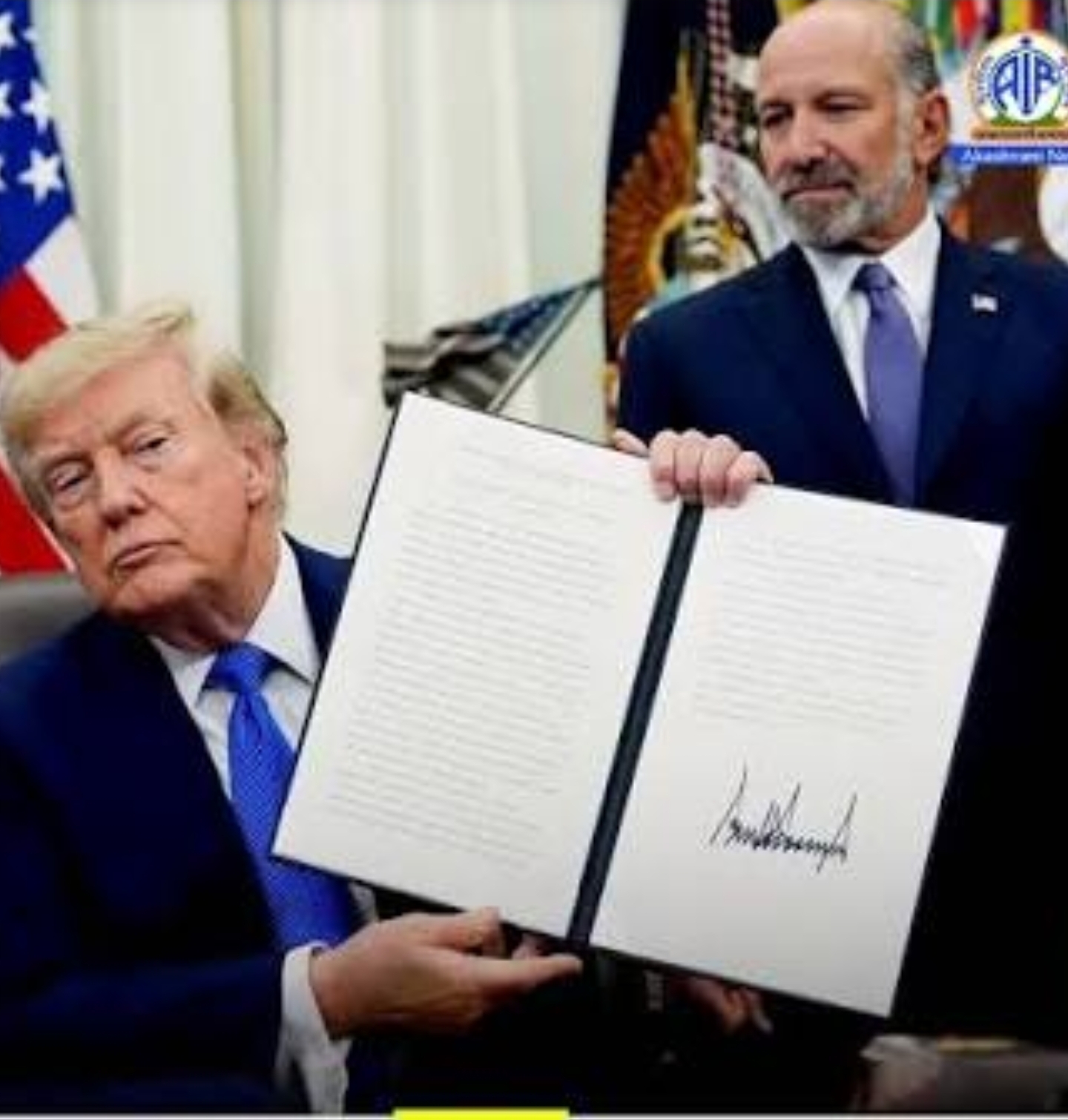

WASHINGTON — United States President Donald Trump has signed two new executive orders aimed at further restricting the circumstances under which children born in the United States may claim automatic citizenship, while also intensifying action against so-called “birth tourism.”
The orders, signed on Thursday, August 6, come after the U.S. Supreme Court rejected Trump’s earlier, broader attempt to limit birthright citizenship for children born to undocumented immigrants and some temporary visa holders.
Trump’s first order, titled “Continuing to Protect the Meaning and Value of American Citizenship,” directs federal agencies to deny recognition of citizenship in certain specified circumstances where neither parent is a U.S. citizen.
The order covers cases involving some foreign government personnel, individuals classified under terrorism or “alien enemy” provisions, and certain commercial arrangements allegedly designed primarily to secure U.S. citizenship through childbirth.
It also directs the U.S. Department of State, Department of Homeland Security, Department of Justice and other relevant agencies to develop implementation guidelines.
Trump’s second executive order, titled “Ending Birth Tourism,” focuses on foreign nationals who travel to the United States mainly for the purpose of giving birth so that their children can obtain U.S. citizenship.
Under the order, U.S. authorities may strengthen visa screening, deny or revoke visas, prevent entry and take action against individuals or organisations found to be facilitating commercial birth-tourism arrangements.
The administration argues that the measures are intended to prevent what it describes as abuse of the country’s citizenship and immigration systems.
However, the new directives are expected to face fresh legal challenges over whether a president can restrict citizenship protections guaranteed under the U.S. Constitution.
Birthright citizenship is rooted in the 14th Amendment, which provides that persons born or naturalised in the United States and subject to its jurisdiction are citizens of the country.
Trump had earlier signed an executive order in January 2025 seeking to deny automatic citizenship to some children born in the United States where the parents were undocumented or temporarily in the country.
That policy became the subject of extensive litigation and was later rejected in its broader form by the Supreme Court.
The latest orders do not completely abolish birthright citizenship. Instead, the administration is attempting to apply narrower exclusions while separately expanding enforcement against people it says deliberately travel to the United States to obtain citizenship for their children through childbirth.
Civil rights groups are expected to challenge parts of the new policy, arguing that the executive branch does not have the constitutional authority to redefine citizenship through presidential action.
The legal dispute is likely to focus on whether the categories created by Trump’s latest order fall within historically recognised exceptions to the constitutional guarantee of birthright citizenship.
For now, children born in the United States generally continue to qualify for citizenship under existing constitutional and federal law, except in limited circumstances already recognised by law.
The new executive orders are expected to trigger another major legal battle over the scope of presidential power, immigration policy and the meaning of citizenship in the United States.
Leave a Reply